CAPIK: CAMNES Archaeological Project in Iraqi Kurdistan


  • fullslide1
    CAPIK
    Gird-i Ali Mawlan
    CAMNES Archaeological Project in Iraqi Kurdistan
  • fullslide1
    CAPIK
    Gird-i Ali Mawlan
    CAMNES Archaeological Project in Iraqi Kurdistan
  • fullslide1
    CAPIK
    Gird-i Doghan
    CAMNES Archaeological Project in Iraqi Kurdistan
  • fullslide1
    CAPIK
    Quri Beg
    CAMNES Archaeological Project in Iraqi Kurdistan
 
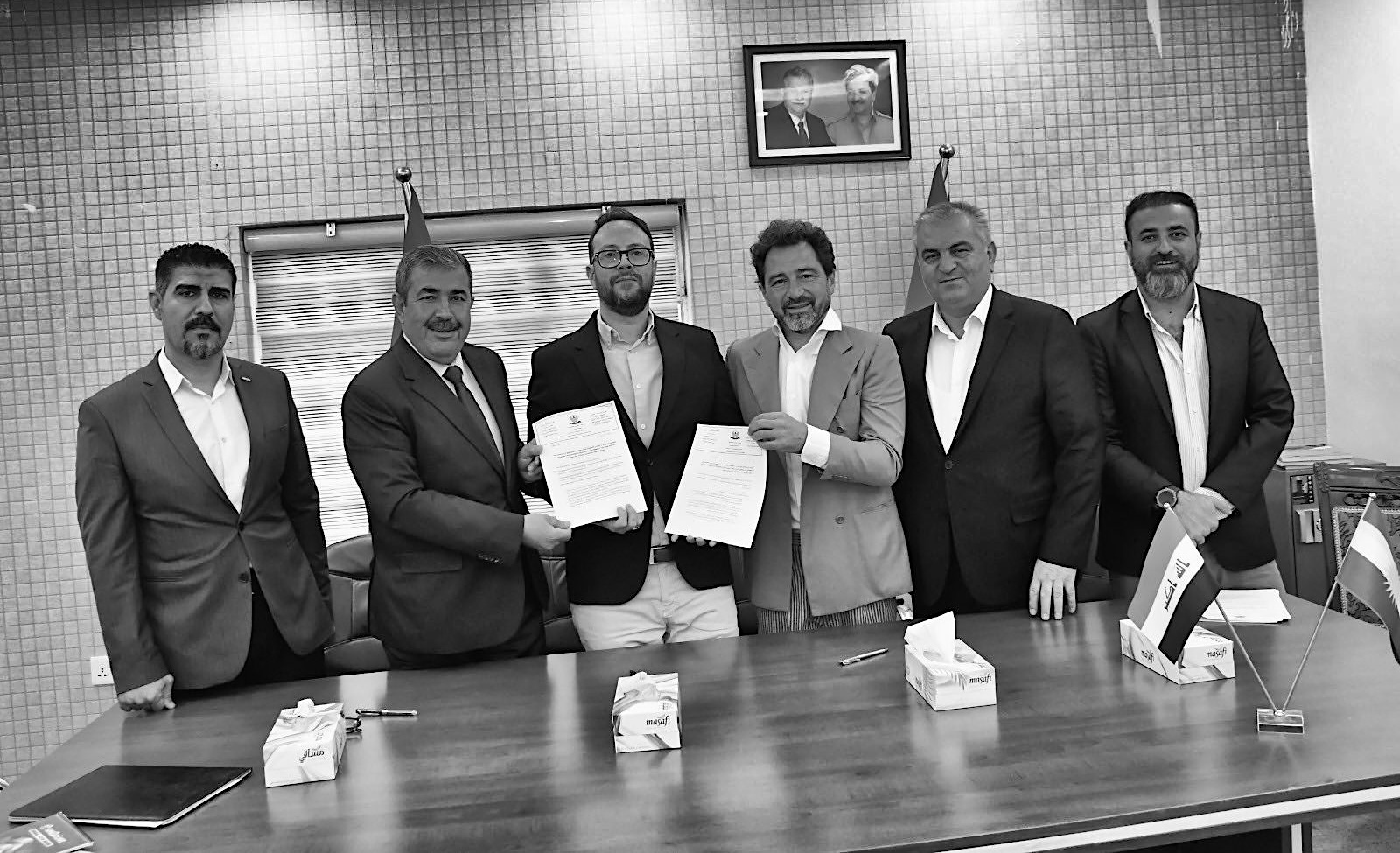
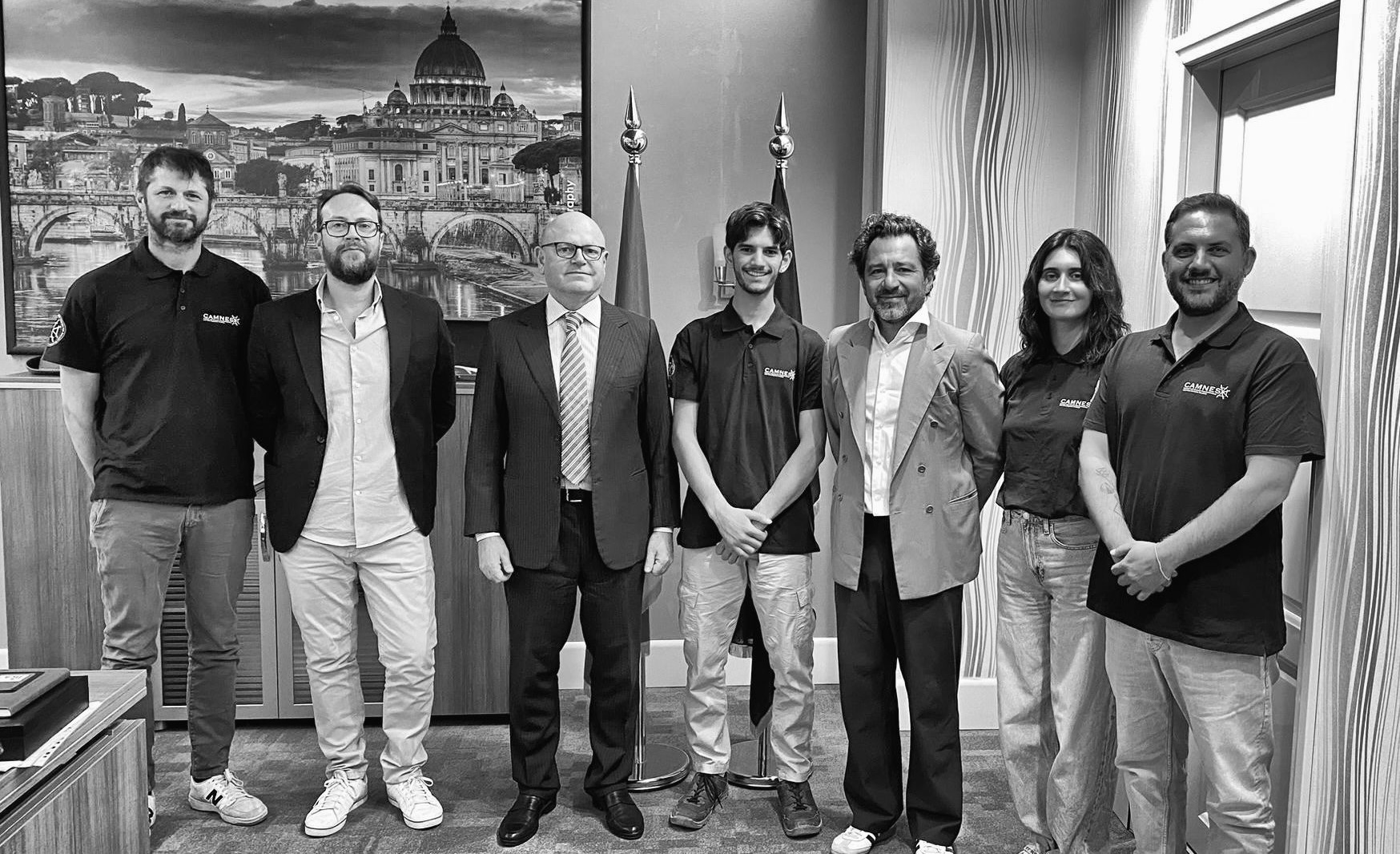
Signing the agreement at the Directorate of Antiquities of Erbil (left); Meeting the Italian Consul General at Erbil, Tommaso Sansone (right)

Introduction


Over the last 15 years, numerous archaeological survey and excavation projects, undertaken directly by the General Directorate of Antiquities and Heritage, or developed by research groups from all over the world, have shed new light on the very long and rich history of Iraqi Kurdistan. This exponential growth of archaeological research in the region has allowed for a strong resumption of the study of the Ninevite 5 culture, whose origins and development, according to many scholars, are to be found in the Eastern Jezirah and specifically in the provinces of Dohuk and Erbil.
Thanks to the ARCANE project (Associated Regional Chronologies for the Ancient Near East) -whose main aim is to synchronize the cultures and civilizations of the Ancient Near East and the Eastern Mediterranean in the Third Millennium- the study of the Ninevite 5 culture received a significant boost in the early 2000s, but this was mainly limited to the Syrian Jezirah region, as demonstrated by the publication in 2011 of the volume ARCANE I: Jezirah[1]. In contrast, for the Eastern Jezirah region, many points remain to be clarified regarding this phenomenon, as demonstrated by the publication of 2019 of the ARCANE V volume: Tigridian Region[2]. Although a chronological scheme for the Third Millennium was developed, this study is based substantially on archaeological data from rescue excavations for the construction of the Eski Mosul Dam.
 
Within this framework, CAPIK (CAMNES Archaeological Project in Iraqi Kurdistan) aims to give its scientific contribution to clarify the Ninevite 5 phenomenon, its origin, its development, its dissolution. Moreover, this will be achieved through the expansion of archaeological field investigations at the sites of Gird-i Ali Mawlan, Quri Beg and Gird-i Doghan.


[1] M. Lebeau (ed.), Associated Regional Chronologies for the Ancient Near East and the Eastern Mediterranean (ARCANE), Vol. I: Jezirah, Turnhout: Brepols 2011. S. Valentini was one of the Topic Coordinator in the project. See S. Valentini, “Burials and funerary practices”, in M. Lebeau (ed.), ARCANE I, 261-275.
[2] E. Rova (ed.), Associated Regional Chronologies for the Ancient Near East and the Eastern Mediterranean (ARCANE), Vol. V: Tigridian Region, Turnhout: Brepols 2019. S. Valentini was one of the Topic Coordinators in the project. See, S. Valentini, “Burials and funerary practices”, in E. Rova (ed.), ARCANE V, 267-282.

The archaeological sites


The archaeological investigations of the project focus on the following three main sites: Gird-i Ali Mawlan, Gird-i Doghan and Quri Beg. These sites were surveyed and recorded systematically for the first time during the Erbil Plain Archaeological Survey (EPAS) by Harvard University and directed by prof. Jason Ur.
1) Gird-i Ali Mawlan (829 EPAS)
 
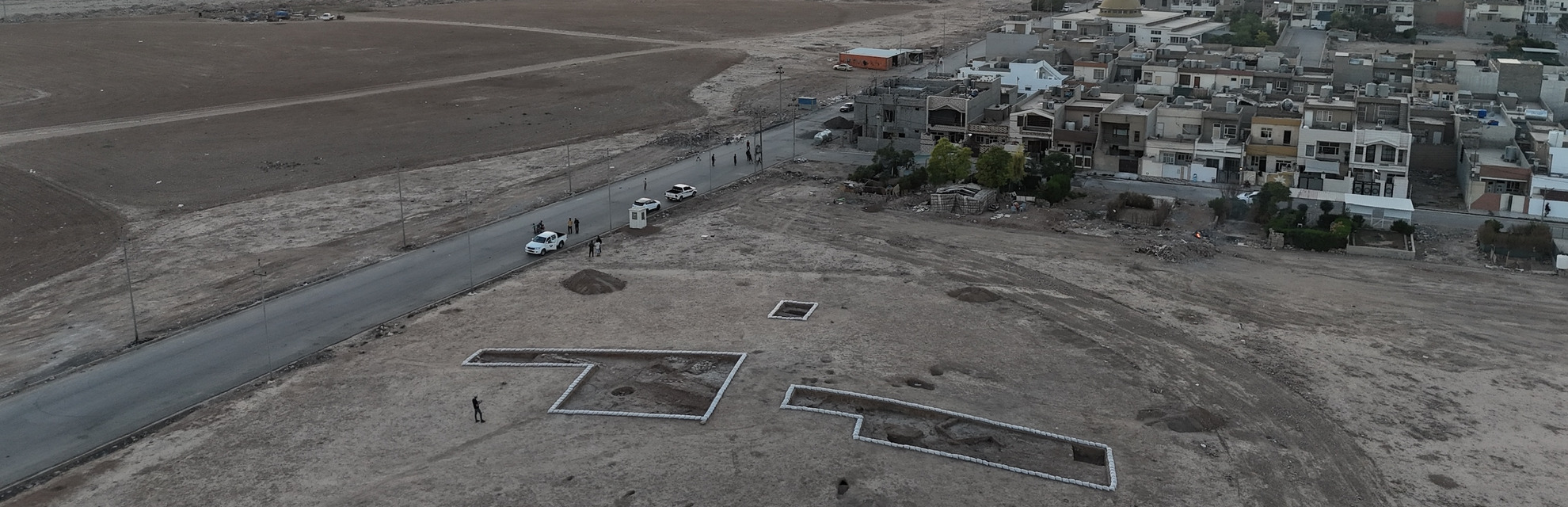
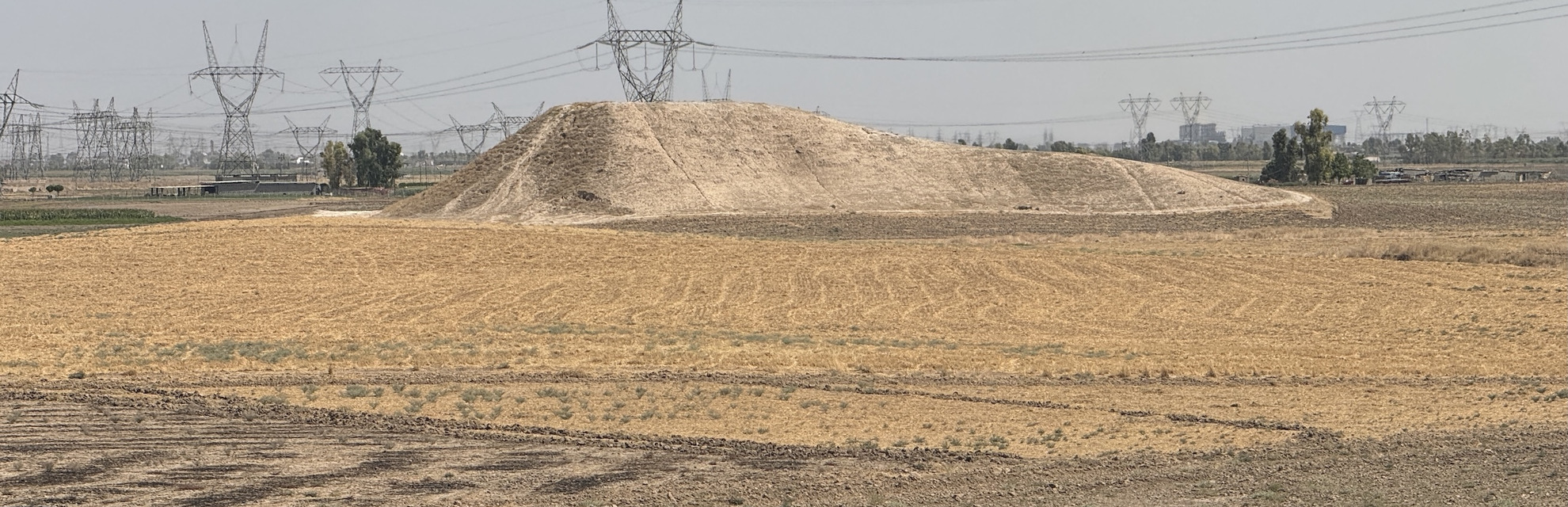
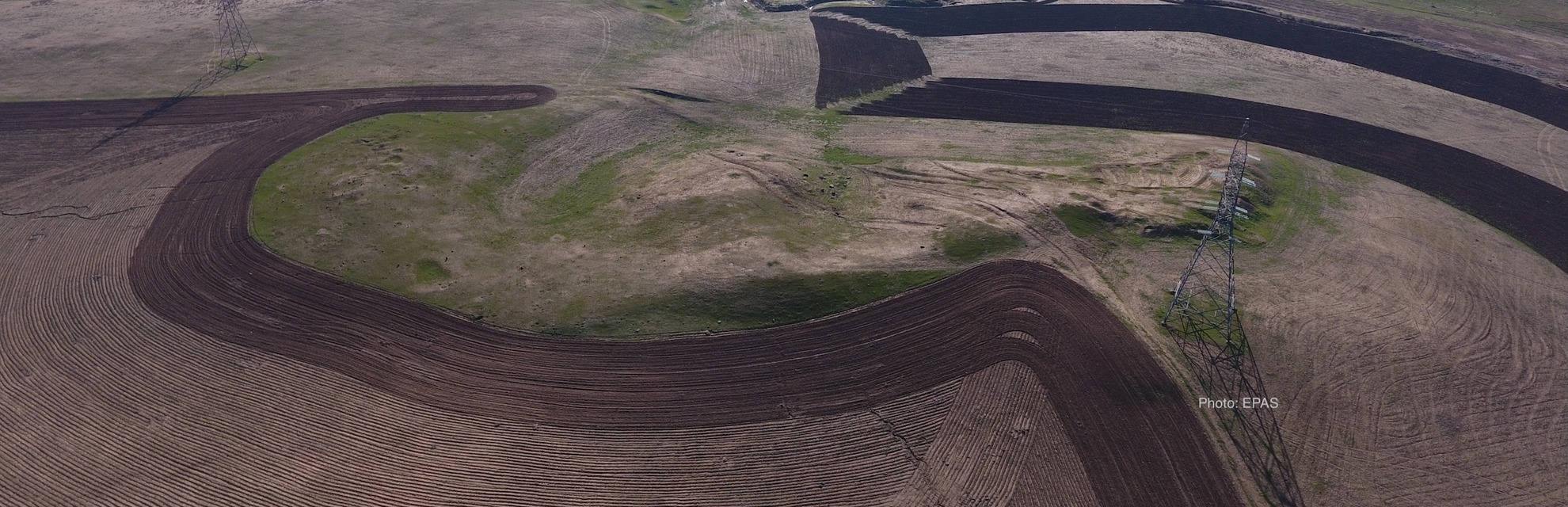
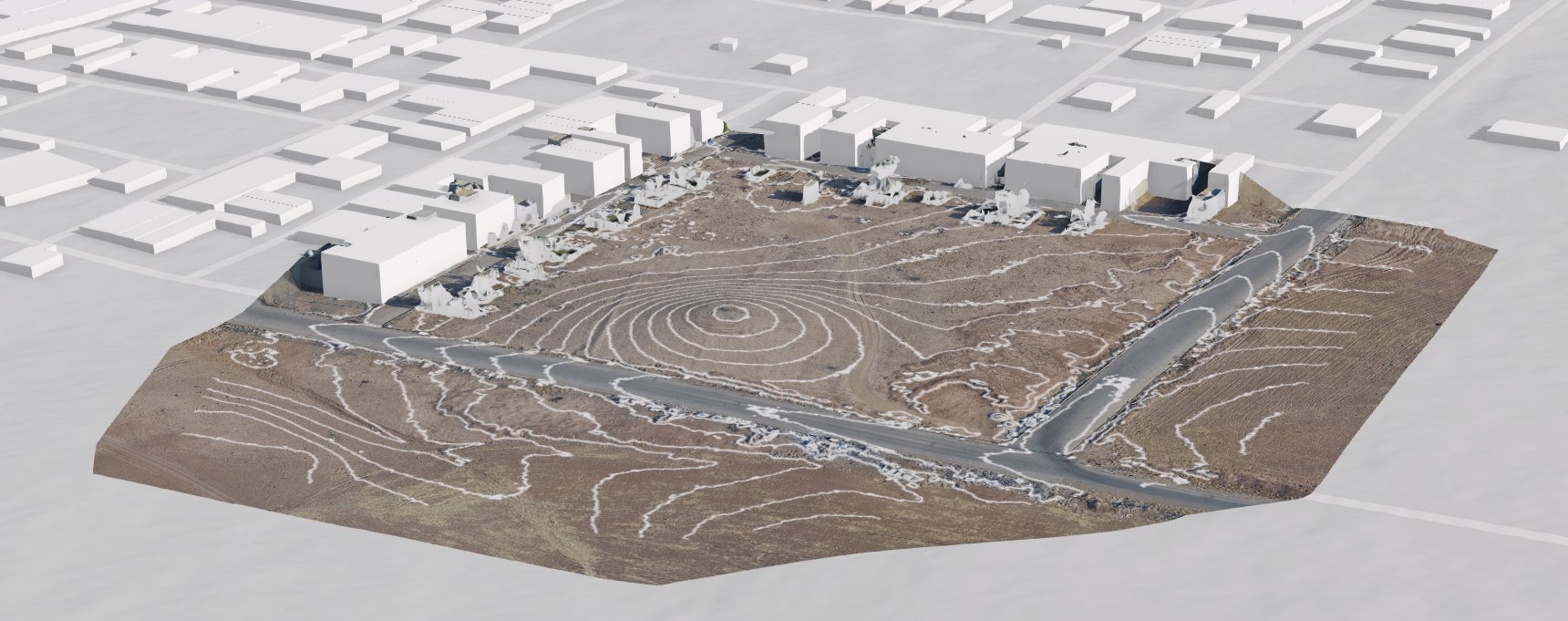
Gird-i Ali Mawlan is located about 10 km E-SE from the center of Erbil, on the outskirts of the city. It is a small site of less than 3 ha of surface, of ellipsoidal shape, with the mound located on the southern sector, and the lower city extending towards the northern sector. On the NW and NE sectors, the surface of the lower city has been occupied by the construction of a residential district, while on the SW and SE sectors the site is crossed by two orthogonal roads. Beyond these, on the south side, one can still recognize the wadi of a watercourse (now visibly dried up, which was probably part of the orographic system of the Shiwa-a Sur Chai River basin) near which the settlement was founded in antiquity. The mound rises about 5 meters above surface level and, at least at its summit, is currently preserved from modern urbanization activities. 

Image curtesy of J. Ur (EPAS)

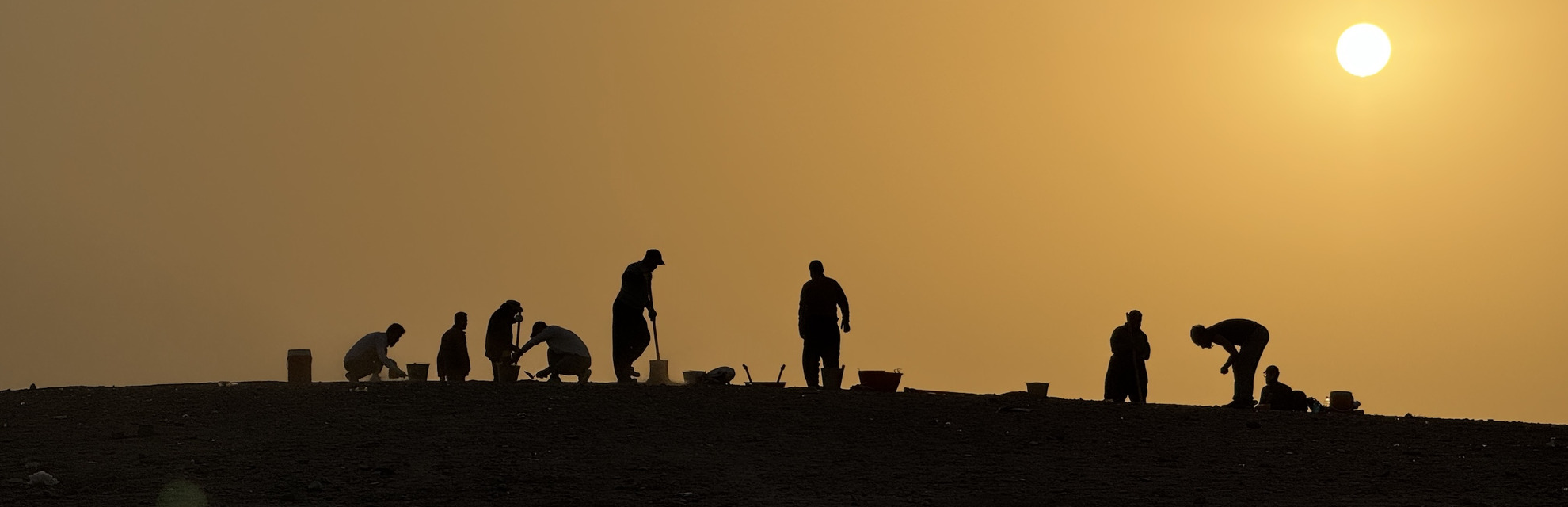
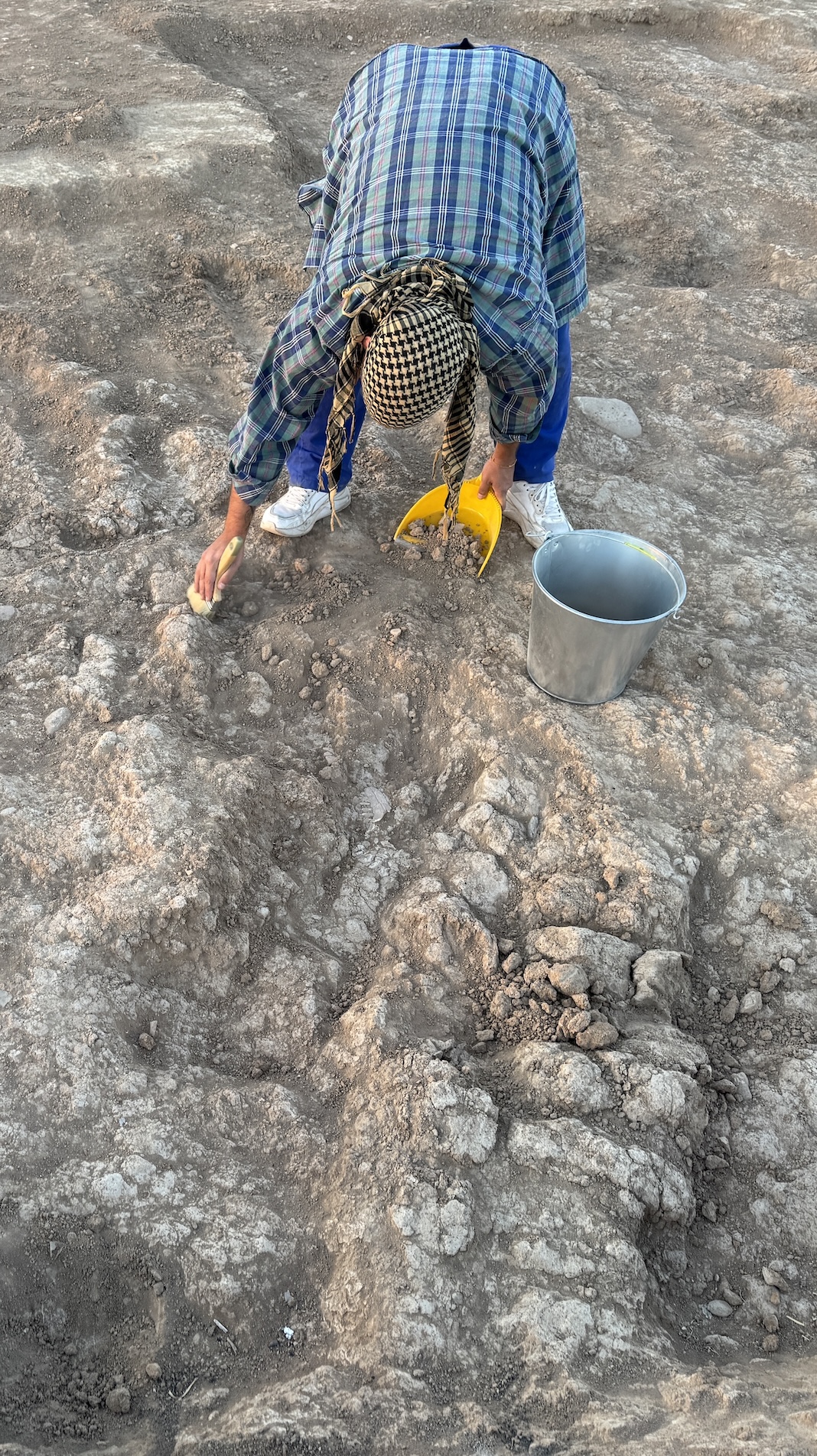
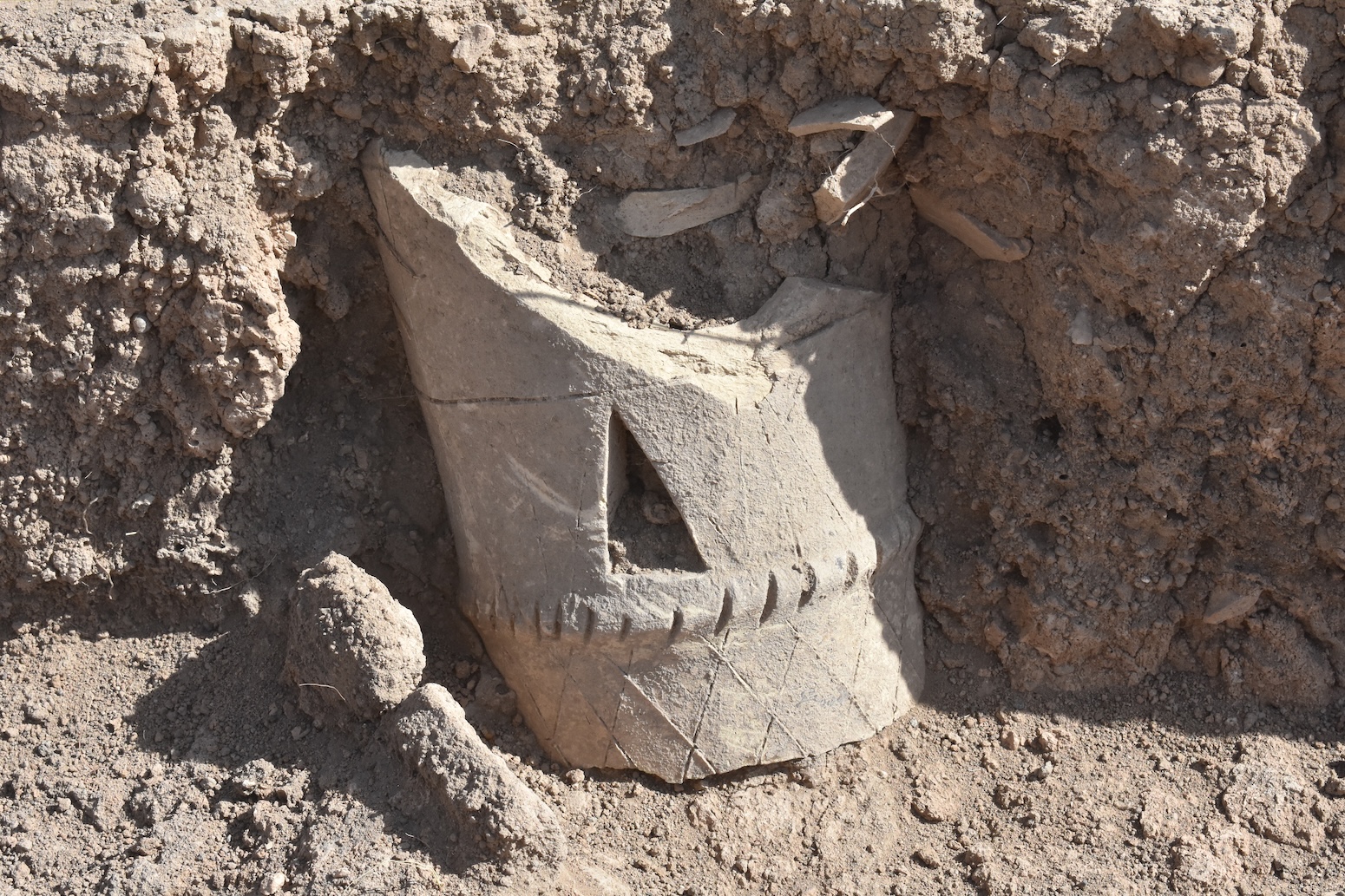
The first excavation campaign took place in 2025 and openend one large trench at the summit of the mound (Area A), a step-trench on the norther slope (Area B) and another smaller trench on the western slope (Area C) in which Late Chalcolitic and Ninivite 5 layers were uncovered.
 
Image curtesy of J. Ur (EPAS)
2) The Site Cluster of Quri Beg (220 EPAS), Gird-i Doghan (219 EPAS) and Site 221 (EPAS)
 
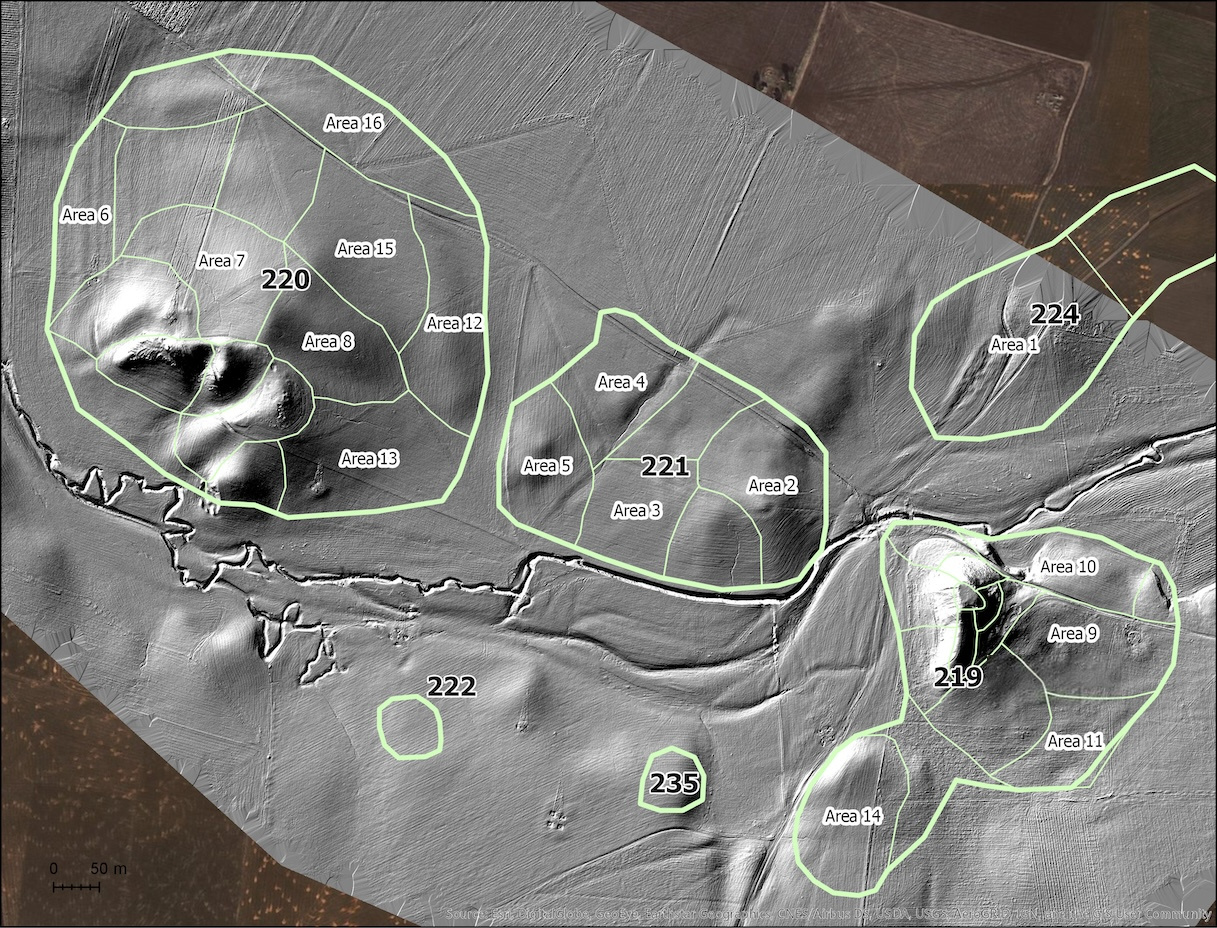
This group of sites is bordered to the west by Quri Beg (220) and to the east by Gird-i Doghan (219), and extends over an area ​​between 5 and 10 ha. The first site (220) is located immediately to the N and the second (219) immediately to the S of an ancient watercourse, the same one that flanks the site of Aliawa (EPAS Site 246), which is just 3 km away in W-SW direction.
Site 220, Quri Beg (has a distinct circular-like morphology with a diameter of about 400 m, and an elevation of about 10 m. The high mound presents an uneven profile that perhaps may indicate prior excavation activities, although this feature is already present in the project's earliest imagery. The site was flagged as significant[1] because of its appearance on HEXAGON and CORONA imageries, in which it was bounded to the north by an indistinct curving line that was hypothesized to be a wall or a ditch.[2] Drone-derived terrain data appears to confirm the presence of this discontinuity, which probably included the mound and the lower town. Surface collections revealed that both mound and this northern area contained abundant third millennium BCE pottery (Period 6: Ninevite 5 and Period 7: Mid-Late 3rd Millennium), as did a flat area to the east (collected at Site 221, probably another portion of the lower town between site 220 and 219).
Site 219, Gird-i Doghan is a site composed of a small hill with very steep sides on the N-NW part overlooking the wadi, and sloped on the E side, where part of the lower city is probably located. Surface collections, especially from the W side of the slope of the mound, attest to a long sequence of frequentation of the site, at least from the end of the 4th millennium (Uruk, Period 5), throughout the 3rd millennium (Ninevite 5, Period 6/Mid-Late EBA, Period 7), the 2nd millennium (Khabur ware, MBA/LBA, Period 8 and 10), the Iron Age/Neo-Assyrian (Period 11) up to the Islamic Periods (Period 19 and 20).
Site 221 was identified, during the EPAS survey, between Quri Beg (220) and Gird-i Doghan (219). Site 221 probably corresponds to the lower city. In this site, the pottery recovered during the survey, in addition to an Islamic occupation, documents a significant frequentation during the Period 7: Mid-Late 3rd Millennium.
In the surrounding area, the EPAS survey recognized other sites: Site 224 (Maqbarat Permagron) to the north of Gird-i Doghan (219), Site 222 and Site 235, S of the wadi.

[1] The site corresponds to Kirdi Quri Beck (n. 17, 299) identified by B. Abu Al-Soof in the report of the archaeological surveys of the Iraqi Directorate General of Antiquities between the years 1938-1965. See B. Abu Al-Soof, “Distribution of Uruk, Jamdat Nasr and Ninevite V pottery as revealed By Field Survey Work In Iraq”, in IRAQ (Spring, 1968) 30, No. 1, 74-86. 
[2] Jason Ur et alii, “The Erbil Plain Archaeological Survey: Preliminary Results, 2012–2020”, in IRAQ (2021) 83, 205–243.

Research questions


This summary, although incomplete and very concise, allows us to have a consistent and updated picture of the studies on the Ninevite 5 period in Iraqi Kurdistan. In this framework, there are still some aspects that need to be clarified and that raise further questions, relating to specific research areas.

1) The Core of the Ninevite 5 Region
As recently proposed by K. Grossman[1], the ‘heartland’ of the Ninevite 5 region is located between the Wadi Jaghjagh to the west, the middle reaches of the Syrian Khabur to the south (sporadic Ninevite 5 attestations have been recovered at Mari in Syria and Tell al Naml in Iraq), the Ilisu Dam district (Tur Abdin mountains) to the north. The eastern limit was considered uncertain until recent excavations in Kurdistan resumed in the 2000s. The data acquired through these excavations and surveys apparently suggest the necessity of extending the limit of the core region beyond the eastern bank of the Tigris River and its hinterland, towards the Rania plain and the foothills of the Zagros Mountains in the Slemani province.

[1] K. Grossman, “Ninevite 5 ceramics", in Ceramics, ARCANE Interregional 1 (2014): 83-100.

2) The Spread of the “Ninevite 5 Phenomenon”
The survey data provide us with different scenarios in the various areas investigated, relating to the transition period from the 4th to the 3rd millennium. LoNAP
[2] data seems to highlight a break in occupation between the end of the Uruk period and the beginning of Ninevite 5 phase, as has been proven at some sites in Northern Iraq (e.g., Tell Mohammed 'Arab) and by the surveys at Tell Leilan, Tell Hamoukar and Tell al-Hawa in Syrian Jezirah. The preliminary results of the EPAS seem instead to indicate a certain continuity of settlement, despite a reduction in the surface area occupied by the sites. The EHAS seems to demonstrate that the Zagros piedmont experienced a slow settlement increase at the beginning of the third millennium BCE, while the UZGAR data show that the number of sites significantly increase – from 17 sites with LC 3-5 and/or Uruk pottery (11 with Ninevite 5 period/6 abandoned) to 58 during the Ninevite 5 period. Finally, in the Koya region, the survey data seem to indicate a marked increase in the number of sites during the Ninevite 5 period, especially in the Early Painted-Incised phase, and that the number of sites diminished during the Late Incised and Excised phase.
All survey results seem to agree on the qualitative aspect that sees a dramatic break in Iraqi Kurdistan during the early third millennium BCE from the situation present during the fourth millennium BCE. The Ninevite 5 pattern of settlements in this region, characterized by small scattered villages, with no clear territorial hierarchies, was similar to the patterns seen in Sirian Jezirah (to the west) and strikingly different from the hyper-urbanization in the south. It remains to verified whether the quantitative differences, in terms of number of settlements, detected in the different areas surveyed, are the result of demographic reduction or simple nucleation, or whether they are due to regional or chronological variations, attributable to a different mode of "reaction" to the end of the Uruk phenomenon.

[2] LoNAP (Land of Nineveh Archaeological Project); EPAS (Erbil Plain Archaeological Survey); EHAS (Eastern Ḫabur Archaeological Survey); UZGAR (Upper Greater Zab Archaeological Reconnaissance); UZGAR (Upper Greater Zab Archaeological Reconnaissance); ASK (Archaeological Survey of Koi Sanjaq/Koya)

3) Cultural and Economic Dynamics of the “Ninevite 5 Phenomenon”
Recent excavations are starting to provide interesting data on the socio-economic and cultural development of the region during the Ninevite 5 period. For example, sealings and evidence of bureaucratic administration have been found in many sites, while at Gird-i Lashkri clear traces of an advanced metalworking process have emerged. These elements, together with certain architectural structures, such as the defensive wall excavated at Bassetki and the terrace excavated at Bash Tapa, seem to suggest an evolution of simple open villages into more complex settlements, as well documented in some sites of the Syrian Jezirah, such as Tell Leilan, Tell Mohammed, Tell Arbid at the end of the Ninevite 5 period. The existence of small regional centers is highly possible, but is difficult to excavate Ninevite 5 levels in the large multi-period sites of the region. The presence of a three-tiered settlement hierarchy (that we know from contemporary Syrian Jezirah) composed of a large settlement (i.e Niniveh? Tell Jikan?) along with one to three small, town-like secondary centers, and numerous hamlets at the lowest level, is impossible to establish at the moment. Further excavations of Ninevite 5 sites in the Middle Tigris region will undoubtedly provide new data on this point, possibly demonstrating also the existence of settlements –more than simple villages- characterized by a concentration of different functions – economic, political and religious.

4) Transition Phase – The End of the “Ninevite 5 Phenomenon”
The 3rd millennium BCE was a crucial time for urbanization and state formation in the Trans-Tigridian region. In the second half of the millennium, these developments reached a peak; large sites with monumental architecture and specialized craft areas blossomed, and the entire region was ultimately integrated into the empires of Akkad and Ur III by the late EBA. Data from the EPAS and LoNAP surveys demonstrate that, in the mid-late 3rd millennium BCE, there is a fourfold increase in the number of sites. The LoNAP survey witnessed a dramatic 150% increase in the number of settled sites with respect to the Ninevite 5 period, and this is the third peak in the demographic history of the area after the Neo-Assyrian and Parthian periods. This trend has been recorded also in the surveys around Tell Brak, Tell Beydar, Tell Leilan and Tell Hamoukar. Survey data indicate that the great majority of the Ninevite 5 sites in the Dohuk region and Erbil plain consists of rural villages or farmstead-sized communities. On the other hand, the emergence of larger sites for this period, with evidence of central administration (seals and sealings), as hypothesized for Gomel and Bash Tapa and demonstrated by the excavations of Bassetki and Aliawa (although over very limited surfaces) or by the site of Logardan (which is still outside the core of the Ninevite 5 core area) suggests that the initial development of urban structures and a settlement hierarchy also occurred in the eastern Tigris plains before the end of the Ninevite 5 period, as already demonstrated for the Syrian Jezirah. Still very recently, the ARCANE project in the Tigridian Region stressed that the majority of data from this region belong either to the earliest (phases ETG 2-4, Ninevite 5 period) or to the latest part of the 3rd millennium BCE (phases ETG 7-9, corresponding to the Akkadian, Post-Akkadian and Ur III periods), while the middle part (ETG 4b-6, corresponding to the EJZ3 phase in the Jezirah region, and with the disappearance of the culture Ninevite 5 and the affirmation of the complex and urbanized societies of the Akkadian period) is scarcely attested. It is no coincidence that in the chronological table published in the ARCANE volume this phase is indicated with a question mark.

5) Regional Variations in Ninevite 5 Pottery
The data provided by the surveys cannot be used to verify the Ninevite 5 pottery typology and its chronology as established on the basis of the data from the excavations of the Eski Mosul Dam, which in any case remains a very restricted area. Likewise, the data from recent excavations are still quite limited. There are no sites that yielded a complete Ninevite 5 sequence, except perhaps for the cases of Bassetki, which cannot be automatically extended to the rest of the Iraqi Kurdistan region, and Kani Shaie, which seems to testify to a local culture not strictly Ninevite 5.
Therefore, some aspects need to be clarified by the continuation of the archaeological investigations:
  • It is important to consider that fragments of the oldest phases of the Ninevite 5 pottery have been rarely found and almost exclusively in the Eski Mosul Dam sites. The ‘Terminal Uruk’ phase is attested at Tell Karrana 3 and Tell Mohammed ‘Arab, while the ‘Transitional Ninevite 5’ phase is present just at Tell Karrana 3, Tell Jigan, Tell Fisna. 
  • We must note the almost complete absence of excised pottery both in the survey materials and in recent excavations. This variant of Ninevite 5 pottery is instead well attested in the final period (EJ 2 Final) in the Upper Khabur Basin. This, on the other hand, in general makes the identification of a Late Ninevite 5 occupation in the Iraqi Kurdistan region difficult. It must be clarified that this cannot be a regional phenomenon affecting only the western area of ​​the Ninevite 5 region. 
  • From the survey data clearly emerges a progressive standardization and homogenization in material culture throughout the region after the disappearance of the Ninevite 5 pottery. This would demonstrate an increase of intra- and inter-regional connectivity. The presence in the Iraqi Jezirah of the so-called ‘Taya Ware’ (Leilan Ware at Tell Leilan), which in the western Jezirah seems to replace the Ninevite 5 pottery (see for example the case of Tell Brak), together with ‘Metallic Ware’, needs to be confirmed by stratigraphic excavations. In the LoNAP survey material, several fragments of this kind of greenish-yellowish very fine wares have been recovered, but at this moment it is not clear whether they belong to one of the above-mentioned types, or if they could constitute another local ware. 
  • The possible contemporaneity of Ninevite 5 pottery with other types of local painted pottery (i.e. Scarlet ware), which seems to be demonstrated by the recent excavations at Kani Shaie, must be verified throughout the Iraqi Kurdistan region by stratigraphic excavation. For example, specifically, D. Lawecka's hypothesis that the Harir Purple Painted Ware, a new variety of local Fine ware painted pottery, identified during the UZGAR survey, is contemporary with Ninevite 5 pottery must be demonstrated.
 

Reference bibliography


B. Couturaud (ed.), Early Bronze Age in Iraqi Kurdistan, BAH 226, Presses de l’Ifpo: Beirut 2024.
K. Gavagnin, M. Iamoni and R. Palermo, “The Land of Nineveh Archaeological Project: The ceramic repertoire from the Early Pottery Neolithic to the Sasanian period”. BASOR, 375, 2016, 119–169.
K. Kopanias and J. MacGinnis (ed.), The archaeology of the Kurdistan region of Iraq and adjacent regions, ArcheoPress, Oxford, 2016.
M. Lebeau (ed.), Associated Regional Chronologies for the Ancient Near East and the Eastern Mediterranean (ARCANE), Vol. I: Jezirah, Turnhout: Brepols 2011.
M. Lebeau (ed.), Associated Regional Chronologies for the Ancient Near East and the Eastern Mediterranean (ARCANE) Interregional/1 Ceramics, Turnhout: Brepols 2014.
D. Morandi Bonacossi and M. Iamoni, “Landscape and settlement in the Eastern Upper Iraqi Tigris and Navkur Plains: The Land of Nineveh Archaeological Project, seasons 2012–2013”. IRAQ, 77 (2015), 9–39.
C. Pappi and C. Coppini, “The Plain of Koi Sanjaq/Koya (Erbil/Iraq) in the 3rd Millennium BCE. History, Chronology, Settlements, and Ceramics”, in B. Couturaud (ed.), Early Bronze Age in Iraqi Kurdistan, BAH 226, Presses de l’Ifpo: Beirut 2024, 71-84.
P. Pfälzner and P. Sconzo (with a contribution by I. Puljiz), "First results of the Eastern Ḫabur Archaeological Survey in the Dohuk region of Iraqi Kurdistan. The season of 2013". Zeitschrift für Orient-Archäologie, 8 (2015), 99–122.
P. Pfälzner and P. Sconzo, “The Eastern Ḫabur Archaeological Survey in Iraqi Kurdistan. A preliminary report on the 2014 season". Zeitschrift für Orient-Archäologie, 9 (2016), 10–69.
E. Rova (ed.), Associated Regional Chronologies for the Ancient Near East and the Eastern Mediterranean (ARCANE), Vol. V: Tigridian Region, Turnhout: Brepols 2019.
E. RovaThe origins of North Mesopotamian civilization: Ninevite 5, chronology, economy, society. Brepols, 2003.
J. Ur et al., “The Erbil plain archaeological survey: Preliminary results, 2012–2020”. IRAQ, 83 (2021), 205-243.
K. Xenia, R. Koliński, D. Ławecka, Material Studies. Prehistory. Pottery, Lithics. Settlement History of Iraqi Kurdistan, vol. 11.1, Harrassowitz Verlag: Wiesbaden 2024.


Team members


  • Stefano Valentini (Co-director, archaeologist)
  • Guido Guarducci (Co-director, archaeologist)
  • Sergio Russo (Field Director, archaeologist)
  • Lorenzo Crescioli (topographer, archaeologist)
  • Valentina Santini (database manager, archaeologist)
  • Alesia Koush (cultural property & heritage expert)
  • Gabriele Cambria (illustrator, archaeologist)
  • Emma La Rosa (pottery describer, archaeologist)
  • Marcello Bevignani (workplace safety)

Copyright © 2010-2025 CAMNES. Tutti i diritti riservati  |  

Privacy Policy  |  

Cookie Policy